
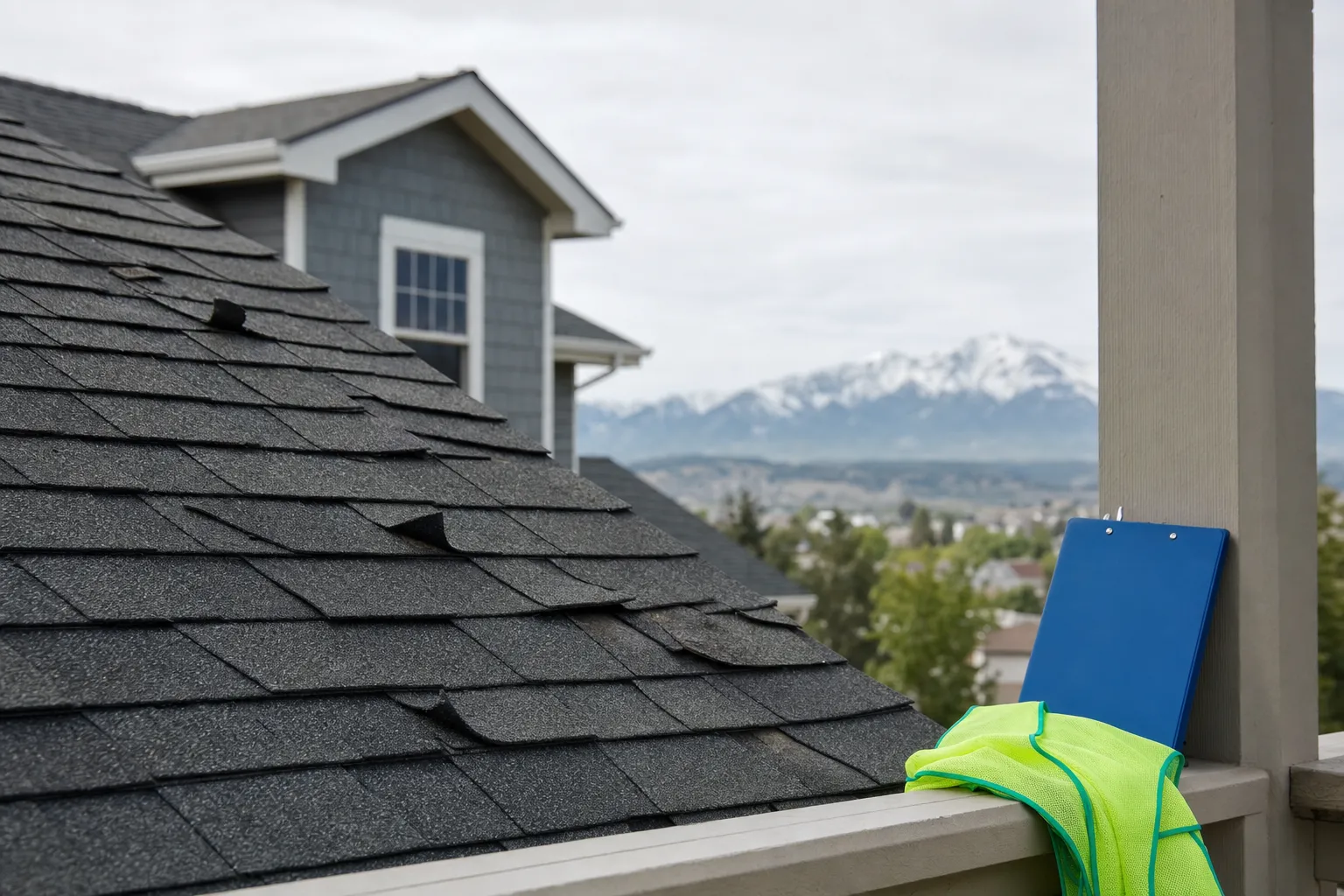
Most flooring jobs take anywhere from a single day to several weeks, depending on material, the square footage, subfloor condition and whether storm damage repairs or moisture mitigation are needed. Costs follow the same pattern: material choice, removal and disposal, subfloor work, moisture barriers, and the labor and coordination required to deliver a finished floor.
What controls the timeline for a flooring installation
The big factors that determine how long a flooring project takes are material, site preparation, and the need for repairs after weather events. In Colorado Springs, hail, sudden leaks and seasonal temperature swings often mean we need a formal storm damage assessment before scheduling an installation.
Material and installation method
Different materials install at different speeds. Engineered hardwood and luxury vinyl plank usually are quicker to lay than glued ceramic tile or traditional solid hardwood. Floating installations are faster than full adhesive applications because they require less drying time and fewer on site curing steps.
Subfloor condition and preparation
A stable, level, dry subfloor is essential. If the subfloor needs leveling, repair, or replacement, the schedule grows. We always inspect the subfloor during the initial visit and report what is required so you can see what adds time and cost.
Moisture and environmental controls
Moisture testing and, when needed, a moisture barrier or controlled acclimation period add time. That step protects the floor long term, and it is common in Colorado Springs homes that show signs of past water intrusion or high indoor humidity.
Storm damage and insurance coordination
When storm damage is present, an assessment can reveal hidden issues such as wet sheathing, compromised underlayment or ongoing leaks. Those findings change both schedule and budget because we may need to coordinate roofing or drywall repairs before flooring work can proceed. For background on storm damage and recovery best practices, the Colorado Division of Homeland Security and Emergency Management has guidance on safe recovery after storms, and the National Weather Service maintains local severe weather archives we reference when documenting events.
How storm damage assessment affects cost and schedule
We start with a targeted inspection to separate cosmetic surface problems from structural or moisture concerns. That assessment determines whether flooring replacement can proceed immediately or if additional trades are required first.
Common outcomes from a storm damage assessment
- Minor surface damage with dry subflooring, where installation proceeds with minimal delay
- Localized subfloor or drywall repair that adds a few days to a week for drying and patch work
- Significant water intrusion that triggers roofing repair, full subfloor replacement, or mold remediation, which lengthens the schedule and raises cost
We document findings with photos and notes that homeowners can use for insurance conversations. Homestead Improvements coordinates with insurers and subcontractors when a repair order requires multiple trades, which helps reduce back and forth and shortens the overall timeline.
We are licensed and insured, and we have managed insurance related repairs and post storm restorations in Colorado Springs since 2000.
What drives the cost breakdown
Cost breaks down into predictable buckets. Understanding these helps you see tradeoffs when choosing materials or scheduling repairs.
- Material costs, which vary by species, plank size, tile type, and finish
- Removal and disposal of existing flooring
- Subfloor repair, leveling, or replacement
- Moisture testing and barriers, adhesives, and specialty underlayments
- Labor and the time needed for coordination and permitting when applicable
- Related trade work, for example roofing repair or drywall repair after a storm
Why storm related repairs increase cost
Storm related repairs often reveal hidden damage that is not visible during a phone estimate. Replacing saturated underlayment, repairing sheathing, or replacing base moldings adds materials and labor. Documenting and sequencing that work properly, often with roofing or drywall trades involved, is what prevents recurring problems.
How we plan and manage a flooring job
- Initial inspection. We evaluate material, measure the space, test moisture, and look for signs of storm or leak related damage.
- Scope and options. We explain material choices, required subfloor work, and realistic timelines so you can choose the approach that fits quality and budget.
- Coordination. If roofing, drywall, or other trades are required, we schedule them in the right order and document the condition for insurance purposes.
- Preparation. We handle removal, hauling and subfloor prep, including necessary drying time or moisture barriers.
- Installation. We install according to the material manufacturers specifications and industry best practices, then finish and trim to the agreed finish level.
- Final inspection and handoff. We walk the finished space with you, note care recommendations and address any punch items.
Pro tip: Follow the flooring manufacturer recommendations for acclimation and adhesive cure times. We reference manufacturer documentation during planning so installation meets the product warranty and performs long term.
What homeowners should do before we arrive
Simple preparation checklist
- Clear furniture from the work area or mark items you need us to move
- Provide safe access to the work spaces, including garage or alley access if relevant
- Tell us about recent storms, leaks or known problem areas
- Prepare a staging area for materials, ideally on a flat, dry surface
We handle cleanup and final disposal, and we protect adjacent finishes during the work. If your property has recent storm damage, avoid removing wet materials yourself. Disturbing soaked assemblies can increase mold risk and complicate insurance documentation.
Watch out: Do not attempt major demolition of water damaged floors or walls without professional assessment. You may destroy evidence needed for insurance, and you could expose insulation or framing to conditions that worsen mold risk.
Material choices and how they affect value and upkeep
Your choice of material affects initial cost, expected lifespan and maintenance. In many Colorado Springs homes we recommend materials that tolerate seasonal humidity changes and temperature variation.
Durability and lifecycle factors
- Hardwood offers long life and resale value, but it can require acclimation and careful moisture control
- Engineered wood reduces movement in variable climates and often installs faster
- Luxury vinyl plank is resilient, water tolerant and usually faster and less disruptive to install
- Ceramic and porcelain tile are durable in wet areas, but they require precise subfloor prep and grout curing time
For technical guidance on wood flooring installation and moisture limits, industry resources like the National Wood Flooring Association provide manufacturer level recommendations that we follow during planning.
Costs you should expect to discuss during an estimate
We do not publish generic prices because every job has unique variables. During an on site estimate we will itemize material, removal, subfloor work and any trade coordination needed after a storm damage assessment. That transparency helps you compare options and budget for the scope you prefer.
Key takeaway
Timelines and costs for flooring installation depend less on a single number and more on material, subfloor condition and whether storm damage repairs are required. A thorough storm damage assessment and moisture check at the start prevents surprises, shortens long term disruption and protects your investment.
Frequently asked questions
How much longer does installation take if we find storm damage?
It depends on the damage. Minor repairs and drying add a few days. Significant water intrusion that requires roofing or structural repair can add weeks while trades complete their portions and assemblies dry to safe levels. We document damage so you can discuss scope with your insurer and proceed in the right order.
Will insurance cover flooring replacement after a storm?
Coverage varies by policy and by the type of damage. We routinely document storm related findings and coordinate with adjusters and other trades. We cannot promise coverage, but proper documentation and sequencing improves the chance that storm related repairs are handled through insurance rather than out of pocket.
Can we install new flooring right after a leak is fixed?
Not always. Even after the visible leak is repaired, materials need to dry and an assessment must confirm the subfloor and framing are stable. Installing too soon can trap moisture and lead to staining, cupping, or mold. We perform moisture tests and follow manufacturer limits before installing.
What should I expect on the first day of installation?
We arrive with materials staged, confirm the scope, protect adjacent areas, and begin removal and subfloor prep if needed. For simple floating installs, you may see finished areas in a day or two. For jobs requiring repairs or adhesives, curing and finishing add time before we consider the job complete.
Do you handle other repairs that storm damage reveals?
Yes. Homestead Improvements coordinates roofing repair, drywall repair and other trades when necessary. We act as the general contractor for small to medium projects and help manage the sequence of work so the final floor performs as intended. See our Roofing Repair and Drywall Repair pages for related services.
Learn more and check our local profile
Read reviews and get directions from our Google Business Profile, and learn more about our services and topics to prepare for your project.