
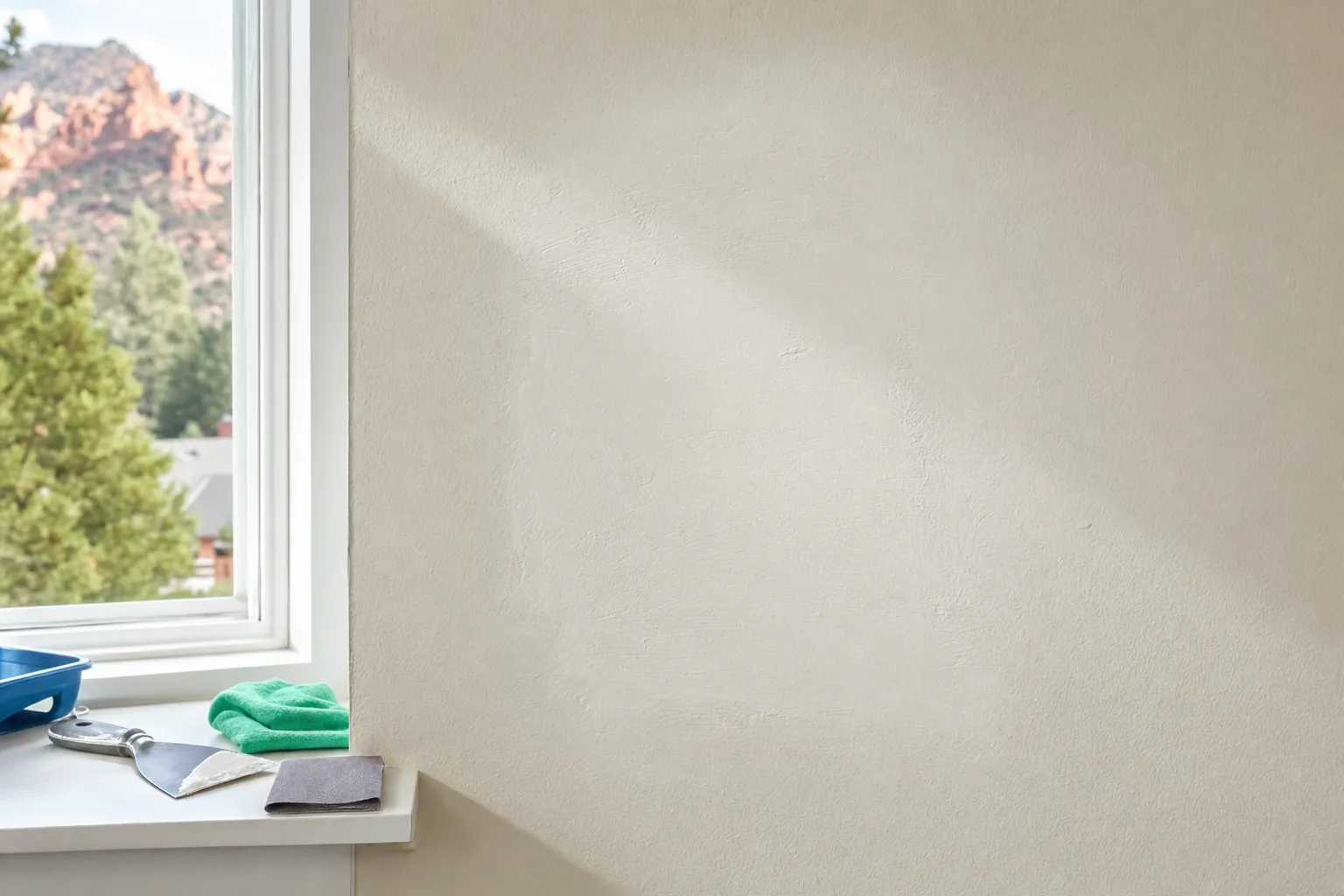
If a drywall patch cracks again, feels soft, bulges, shows new stains, or reveals mold, it needs a closer look rather than another surface patch. We examine the source of the problem first, then recommend whether a cosmetic repair will do or a more involved fix is required.
What we mean by drywall needing a closer look
Not every hole or blemish calls for a full repair. By a closer look we mean an inspection that goes beyond surface sanding and joint compound. That inspection checks the drywall substrate, framing, moisture sources, and any hidden damage that can cause repeated failure.
We focus on cause and permanence. A successful repair addresses what led to the damage. Otherwise the same crack or stain often returns.
Why this matters in Russell Landing and Colorado Springs
Homes here face seasonal temperature swings, low relative humidity in winter, and occasional storm events. Those conditions influence how drywall and finishes age and move. Repeated surface patches that ignore moisture, insulation, or framing movement can lead to more costly repairs later.
We have worked on rental turnovers, storm restorations, and long term home maintenance in Russell Landing and greater Colorado Springs since 2000. Our approach is to confirm what caused the damage, and then match the repair technique to the issue and the desired finish.
Key concepts to know about drywall patches
- Cosmetic patch. Ideal for small nail pops, minor dents, and isolated hairline cracks where no ongoing movement or moisture exists.
- Substrate repair. When screws pull out, framing is damaged, or the drywall core is soft from moisture, the substrate must be fixed before finishing.
- Source control. If stains come from a roof or plumbing leak, fixing the leak is part of the drywall repair scope.
- Texture and finish level. Matching the existing texture and paint sheen determines whether the repair is invisible or simply blended in.
- Mold and health concerns. Visible mold or persistent musty odors require safety precautions and often a coordinated approach with remediation professionals.
How we decide if a patch needs more than a quick fix
- Visual and tactile inspection. We look for cracks that run along seams, bulging panels, soft paper or gypsum, and repeated patch failure. Soft or crumbling drywall usually means moisture has compromised the board.
- Trace the moisture source. Stains that grow, or that return after painting, suggest an active leak. We check roofing, plumbing, windows, and exterior penetrations as appropriate.
- Check for structural movement. Cracks that open and close with seasons often relate to framing or framing fasteners. Those require fastening, shimming, or localized framing repair before the drywall is replaced.
- Evaluate texture matching needs. For textured ceilings and walls common in our area, achieving a seamless match can change the scope from a patch to replacing an entire panel or section.
- Recommend next steps. We classify repairs as monitor, cosmetic patch, moderate repair with substrate work, or full replacement with finish matching and repainting.
Quick checklist to help you decide if damage needs a closer look
When to consider a professional inspection
- Crack reappears after previous repairs.
- Patch area feels soft, spongy, or crumbles when pressed.
- Bulging or separation along seams or at corners.
- Water stains that spread, get darker, or return after drying.
- Visible mold growth or persistent mildew smell.
- Cracks that follow a horizontal or vertical run across multiple panels.
Common repair types and what they indicate
| Repair type | When we recommend it |
|---|---|
| Surface skim and paint | Small dents, single nail pops, isolated hairline cracks with stable substrate. |
| Patch with backing and tape | Medium holes, torn paper, fastener failures, where the local panel remains sound. |
| Panel replacement | Large damaged areas, wet core, or when matched texture cannot be achieved by patching. |
| Repair plus source work | When moisture, framing movement, or mechanical damage caused failure, and those must be addressed first. |
Pro tip: A hairline crack at a taped joint after a remodel does not always mean structural failure. It can be normal settling. We look for patterns and recurrence before recommending more than a cosmetic fix.
What a quality inspection and repair process looks like
When we inspect a suspicious patch we follow a consistent workflow. That workflow is designed to find underlying causes and set realistic expectations for the finish.
- Record the condition. We document stains, cracks, and texture to compare after repair and to support insurance if needed.
- Probe noninvasively. We check for softness at the surface, and test adjacent areas for migration without removing more material than necessary.
- Trace likely sources. We check nearby plumbing, roof penetrations, exterior leaks, and HVAC runs that might deliver moisture.
- Plan the fix. For visible mold or active leaks we coordinate with remediation or plumbing as required. For isolated cosmetic issues we match texture and finish colors with minimal disruption.
- Finish and verify. We finish to an agreed level and review with you so the outcome meets your expectations.
Related services we commonly coordinate
Drywall repair often overlaps with other trades. We coordinate roofing, plumbing, paint, and insulation work when a problem spans multiple systems. Learn more about our drywall repair service, and about our approach to patch techniques for matching textures and finishes.
Helpful resources and industry context
For a sense of how construction occupations and repairs fit into broader safety and labor trends, see the U.S. Bureau of Labor Statistics overview of construction occupations. Trade guidance and standards for proper repairs vary by application, and we follow professional practices when assessing substrate damage and finish levels.
For discussion of damage assessment and deciding when to replace materials rather than patch, our page on drywall damage assessment has more examples and photos from local projects.
Related locations and service area
We serve Russell Landing and surrounding neighborhoods from our Colorado Springs base. If you want localized guidance about seasonal movement, texture matching, or repairs near the Air Force Academy, see our Colorado Springs location page at Homestead Improvements in Colorado Springs.
Key takeaway
If a repair fails more than once, shows softness, bulging, expanding stains, or mold, it is a sign the underlying cause needs professional evaluation. Addressing the source and the substrate is what prevents repeat work and restores a durable, finished surface.
Frequently asked questions
How can I tell if a stain is active or just old discoloration?
Active stains will often change over time, spread, or darken after humidity events. Old stains remain stable and do not return after surface cleaning or painting. We inspect above and behind the stain when possible to confirm whether moisture is present.
Is texture matching always possible with a small patch?
Texture matching depends on the original finish, age, and paint layering. Some textures can be matched locally, others require replacing the entire panel or blending across a larger area for an invisible result. We evaluate and explain tradeoffs before work starts.
When should mold be treated before drywall work?
Visible mold or a persistent musty odor requires containment and remediation steps before finish work. We coordinate with specialists when remediation is needed and then proceed with repairs once the affected area is cleared for reconstruction.
Do you handle insurance related drywall repairs?
We document damage and work with property managers and homeowners to provide the repair scope and photos necessary for insurance claims. We can coordinate with adjusters when a claim is filed.
Learn more or check our local profile
Read customer reviews and get directions on our Google Business Profile, and learn more about how we handle patch techniques and finish levels for local homes.