
If you need roofing repair in Cimarron Hills, Colorado, start by documenting visible damage, clearing the area around your home, and sharing roof photos with your contractor so the team can assess scope and materials before arriving.
What preparing for roofing repair looks like
We begin with a simple rule: good preparation saves time, money and surprises. For homeowners in Cimarron Hills that means four practical actions before a crew shows up. First, photograph damaged areas from the ground and note any interior leaks. Second, move vehicles and outdoor furniture away from where contractors will work. Third, confirm the roof material and age if you know it. Fourth, collect warranty and insurance paperwork if the repair is related to storm or hail damage.
When we handle a repair we use those photos to estimate materials and staging needs. Sharing clear photos and basic roof history ahead of time helps us plan the right crew and reduces time on site.
Why this matters in Cimarron Hills
Homes in Cimarron Hills face Colorado weather patterns that influence roof performance. Strong sun, hail, wind and seasonal snow load all affect shingle life and flashing details. Proper preparation matters because it reduces the chance of secondary damage, lowers on site time, and helps us match materials that will perform well in the neighborhood climate.
We have worked across Colorado Springs since 2000, so we know local building practices, common roof materials and the neighborhoods around Cimarron Hills. That local knowledge helps us recommend materials and repairs that last here.
Key concepts to understand before roof repair
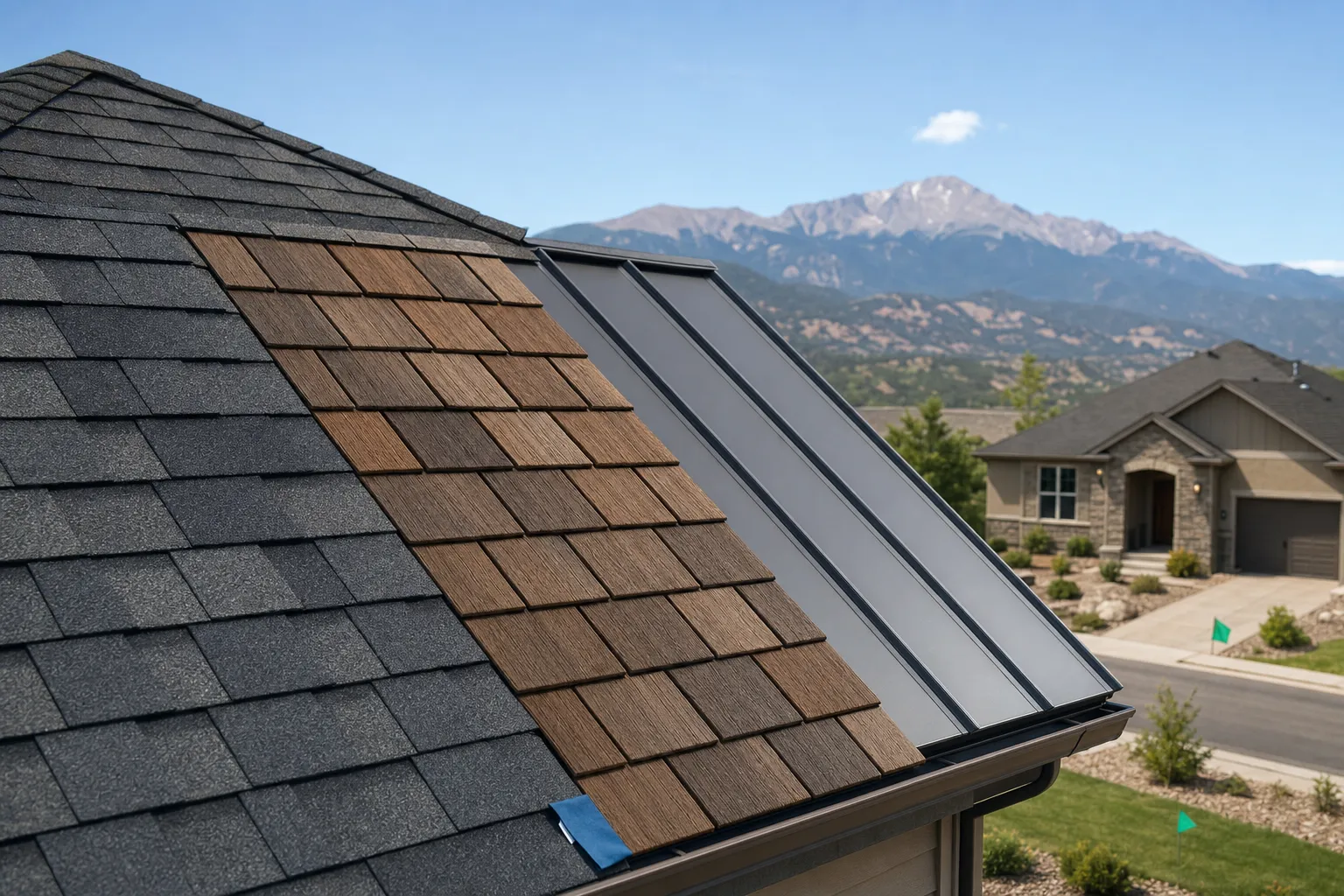
- Roof material types. Asphalt composition shingles are common, metal roofing appears on modern builds, and tile or slate shows up on some higher end homes. Each material has different repair techniques and life expectancy.
- Flashing and roof penetrations. Valleys, chimneys, plumbing stacks and vents are frequent leak origins. Effective flashing details are as important as shingles.
- Ventilation and attic health. Poor ventilation can shorten roof life. We check ridge vents, soffit vents and attic insulation when we inspect a roof.
- Insurance versus maintenance repairs. Storm or hail damage may be an insurance claim. Wear and maintenance issues are usually homeowner responsibility. Knowing the cause helps with expectations for cost and scheduling.
- Local code and permitting. Some repairs and re roof projects require a permit in El Paso County. We advise on permits when the work meets local thresholds for replacement or structural change.
Practical checklist before roofing repair
Pre job checklist
- Photograph roof damage from multiple angles and interior stains, if any.
- Clear vehicles, planters and patio furniture from the driveway and yard on the work side.
- Secure or relocate potted plants, solar equipment and satellite dishes.
- Cover or move attic storage that could be affected by vibration or dust.
- Make a note of roof material and age, and find any existing warranty paperwork.
- Mark landscaping you want protected so crews leave fragile items undisturbed.
- Tell neighbors about work days if you have tight property lines or shared driveways.
What we inspect and why
When we arrive for an inspection we look beyond visible shingle damage. Our inspection covers decking condition, flashing integrity, fastener condition and attic ventilation. We also look for signs of concealed leaks around chimneys and roof to wall transitions. That full picture determines whether a repair, partial replacement or full roof replacement is the right solution.
Inspection items we document
- Shingle condition and granule loss.
- Underlayment and deck exposure where shingles are missing.
- Flashing laps, counterflashing and sealant condition.
- Gutter attachment points and signs of roof runoff misdirection.
- Attic moisture, staining and insulation condition.
Choosing materials for Cimarron Hills roofs
Material choice affects longevity, curb appeal and cost. In Cimarron Hills we commonly work with three material families, each with trade offs:
| Material | Why homeowners choose it | Considerations |
|---|---|---|
| Asphalt composition shingles | Cost effective, widely available, broad style options | Moderate lifespan, can hail dent and lose granules over time |
| Metal roofing | Long lasting, good resistance to wind and UV, lower maintenance | Higher upfront cost, requires different attachment and flashing details |
| Tile or slate | Durable and distinctive, long life on compatible roofs | Heavy, may require structural evaluation and skilled installers |
We will discuss the pros and cons for your home, and match materials to the slope of your roof, existing layers and local weather exposure.
How repairs are staged and scheduled
Repairs begin with an accurate scope. Minor repairs can often be scheduled within days. Larger repairs or replacements require material ordering and permitting. When we plan a job we factor in roof pitch, access, staging for waste removal, and weather windows. In Colorado Springs we build contingency for afternoon storms in the transitional seasons.
Typical repair stages
- Remote assessment. We review your photos and roof history to estimate materials and crew size.
- On site inspection. Confirm hidden damage, measure roof geometry, and note flashing or decking issues.
- Scope and materials. We finalize material selection and needed accessories like new flashing or underlayment.
- Permitting and scheduling. If a permit is required we submit paperwork, then set a work date when materials and crew are available.
- Site preparation. Crews stage tarps, protect landscaping and set up waste removal.
- Repair or replacement. Work proceeds according to the scope, with cleanup and final inspection.
Pro tip: If you have recent photos of the roof before the damage, include them when you reach out. They help us tell whether damage is new or part of long term wear.
What to expect on the day of repair
On the day of the job we arrive with staged materials and safety gear. Expect contractors to walk the site, set ladders and secure tarps in the yard. We aim to minimize noise and dust, and we communicate a start and estimated finish time. For occupied homes we coordinate access to attics or cupboards only if needed for inspection or ventilation work.
Watch out: Do not stand below the work area while crews are on the roof. Falling debris and materials are a safety risk, and we recommend moving pets and small children out of the work zone for the day.
How repairs affect other parts of the house
Roof work can reveal or cause secondary issues. We commonly find rotted decking, compromised flashing, or attic insulation disturbance. When that happens we document findings and recommend next steps. Because we offer drywall repair and handyman services, we can often coordinate follow up interior work after a roof repair, which reduces the number of different subcontractors you manage.
Related pages on our site explain connected topics in more detail, such as our information on roof materials, our Roofing Repair service, and common procedures for leak diagnosis.
How to document damage for claims and records
If the repair is related to storm or hail damage, clear documentation helps with insurance communication. Take photos of roof areas from the ground and interior stains. Note the date and time of the event that caused the damage, and keep receipts for any emergency tarps or temporary fixes. If you plan to file a claim, save inspection reports and estimates. We help property managers and homeowners prepare the documentation we generate so it is useful for insurers.
Related services you may need
- Drywall Repair. Water stains or structural repairs often require interior patching and repainting, which we handle through our Drywall Repair team.
- Handyman Services. Small trim repairs, gutter reattachment or fascia replacement are part of our Handyman Services.
- Storm Damage Assessment. If a storm caused damage, a detailed assessment can clarify the scope. We can coordinate with insurers and subcontractors when needed.
Where we work and local considerations
Homestead Improvements is based in Colorado Springs and serves Cimarron Hills and surrounding neighborhoods. We understand local permitting practices and common building details in the area. If you are in a nearby neighborhood, such as Broadmoor or Northeast Colorado Springs, we apply the same preparation steps and material guidance.
To learn more about our locations and customer reviews, see our locations and reviews page on this site.
For deeper reading on roof related topics, our site also contains guides on storm damage assessment and flashing details.
Helpful resources and what to bring to an estimate
Bring photos, warranty paperwork and any older invoices you have for prior roof work. If you have a roofer s estimate from an insurance adjuster keep that as well. We will review these items during our on site inspection so we can give a practical recommendation and scope.
Key takeaway
Good preparation means clear photos, a cleared work area, and a simple record of roof age and warranties. Those steps make repairs faster, reduce surprises, and help us choose the right roof materials for Cimarron Hills homes.
Frequently asked questions
How quickly should I act after I find a leak?
Act as soon as you can. Temporary tarping can limit interior damage, but arranging an inspection quickly helps us diagnose the source and prevent further issues.
Will you need to remove my gutters to repair the roof?
Sometimes. Gutters can block access to edge flashing or hold debris. We only remove gutters when necessary and reinstall them after work is complete.
Do repairs require a permit in Cimarron Hills?
Minor repairs usually do not, but partial replacements or full roof replacements may. We will advise on permits if the work meets local thresholds and can help with paperwork.
What roof material should I choose for longevity and weather resistance?
Metal roofing and higher grade architectural asphalt shingles generally perform well in Colorado weather. The best choice depends on roof pitch, budget and the house s structural capacity. We discuss trade offs when we inspect your roof.
Can you coordinate interior repairs after roof work?
Yes. Because we offer drywall repair and handyman services, we can follow the roof repair with interior touch ups, which reduces overall coordination for you.
Learn more and check our local presence
Read our customer reviews and find directions on our Google Business Profile, and learn more about roof materials and related services on our site.